Adventures of Anette

Thursday, February 8, 2018

9 Historical Japanese Hotels - The Japan Classical Hotel Association

8:32:00 PM
With a large number of new hotels being built in Japan in advance of the 2020 Tokyo Olympics, it is getting harder for Japan’s older hotels to stand out from the crowd. To reach out to travelers who prefer the charm of historical hotels, nine of Japan’s pre-World War II hotels have formed an association in order to show their appeal as Japan’s most Classical Hotels. The hotels included in this association have been carefully picked based on various criteria, one of them being that the exterior of the hotel must have kept its original look.

創業 1873年 / Established in 1873


創業 1878年 / Founded in 1878


創業 1894年 / Founded in 1894


創業 1915年 / Opened in 1915


創業 1909年 / Founded in 1909


開業 1927年 / Opened in 1927


開業 1934年 / Opening in 1934


創業 1935年 / Established in 1935


開業 1936年 / Founded in 1936


Related blog posts


This page contains affiliate links, and if you follow a link and make a hotel reservation through these links you help support this blog without any additional cost to you. Thank you so much for your kind support!


Thank you for reading! Please feel free to leave any comments or questions below
- Anette

Sunday, February 4, 2018

Mercari – Selling Made Easy in Japan (2024 Edition)

9:51:00 AM

Mercari Logo

If you're living in Japan, you've likely heard of Mercari (メルカリ), the app that allows you to sell items directly to other users. Whether you’re decluttering your apartment or trying to make extra cash, Mercari provides a user-friendly way to connect with buyers. But for foreigners in Japan, navigating the platform can feel intimidating, especially when interacting with Japanese buyers.

This updated guide not only explains how Mercari works but also includes practical tips, example Japanese phrases, and the latest updates to help non-Japanese speakers succeed on the platform.


What Is Mercari? A Quick Overview

Mercari is a peer-to-peer marketplace where users can list items for sale or browse for bargains. With millions of active users, it’s a go-to platform in Japan for selling everything from clothing and gadgets to collectibles.

Key Features

  • Free Listing: Post your items at no cost (a 10% commission applies to completed sales).
  • Simple Setup: You can list an item in under three minutes.
  • Diverse Buyers: Reach a wide audience, including collectors, resellers, and bargain hunters.

Download the app for free from Google Play or the Apple App Store.


Latest Update (2024)

Mercari has introduced Mercari Shops, allowing users to create personalized storefronts for better branding. New shipping options, such as Mercari Post, now let sellers drop off items at local convenience stores, simplifying logistics.


Selling Successfully: A Step-by-Step Guide

Step 1: Write a Clear and Informative Product Description

Japanese buyers value details, so be thorough when describing your item. If Japanese isn't your strong suit, you can use simple, clear phrases or translation tools. Below are examples to help:

Common Phrases for Descriptions:

  • 新品未使用: Brand-new, unused
  • 美品: Excellent condition
  • 目立った傷や汚れなし: No noticeable damage or stains
  • 中古品のため多少傷汚れあり: Minor damage or stains due to being second-hand

Example Sentences:

  • 持ち運びに便利な○○です。 (This is an XX that is easy to carry.)
  • 一回しか使ったことがないので、新品に近いです。 (I only used it once, so it’s almost like new.)
  • 神経質な方はご遠慮ください。 (This item may not be suitable for those sensitive to minor imperfections.)

Tip: Japanese buyers are detail-oriented, so honesty is crucial. Highlight even small imperfections to avoid disputes or negative reviews.


Step 2: Take High-Quality Photos

Good photos make a significant difference. Follow these tips to stand out:

  1. Use natural lighting for a clean look.
  2. Show the item from multiple angles.
  3. Include close-ups of any flaws or labels.

Step 3: Set a Competitive Price

Research similar items to set an appropriate price. Mercari has a “Price Trend” feature that can give you insights. Be prepared for buyers to negotiate, but stick to your limits.

Negotiation Tips:

  • If a buyer requests a discount, politely counter:
    「申し訳ありませんが、現在の価格でお願いします。」 (Sorry, I’d like to stick to the current price.)

  • To offer a small discount:
    「500円お値引きいたします。」 (I can reduce the price by 500 yen.)

Reposting Strategy: If an item doesn’t sell within a few days, delete the listing and repost to improve its visibility.


Communicating with Japanese Buyers: Useful Phrases

Here’s how to handle common scenarios in Japanese with example templates:

When a Buyer Makes a Purchase:

「この度はご購入いただき、ありがとうございます。お支払い確認後、発送いたします。」
(Thank you for your purchase. I will ship the item after confirming payment.)

When Payment is Confirmed:

「お支払いを確認しました。本日中に発送いたします。」
(I’ve confirmed your payment. I’ll ship the item today.)

When the Item is Shipped:

「商品を発送しました。到着までしばらくお待ちください。」
(The item has been shipped. Please wait for its arrival.)

After the Buyer Confirms Receipt:

「この度はありがとうございました。またご縁がありましたら、よろしくお願いします。」
(Thank you again. I look forward to doing business with you in the future!)

Handling Refunds or Disputes:

If a buyer reports an issue, respond calmly and professionally:
「ご迷惑をおかけして申し訳ありません。確認させていただきます。」
(I’m sorry for the inconvenience. Let me check on this.)


Additional Tips for Foreigners

  1. Shipping Made Simple: Use Mercari Post for an easy, no-hassle drop-off at convenience stores.
  2. Leverage Translation Apps: Tools like Google Translate or DeepL can help you draft responses in polite Japanese.
  3. Learn Key Etiquette: In Japan, communication is formal and polite. Even minor mistakes in tone can create misunderstandings.
  4. Check the FAQ: Mercari’s help section is available in English and offers solutions to common issues.


Closing the Sale

After the buyer confirms receipt, you can withdraw your earnings by transfering the money to your bank account or convert it into Mercari points for future purchases. Remember: withdrawals under 10,000 yen incur a 210-yen fee, so consider accumulating your balance.


Ready to Get Started?

If you’re new to Mercari, use my referral code JVFXMB to earn up to 10,000 yen in points! Whether you're decluttering or finding hidden gems, Mercari can make buying and selling in Japan enjoyable and rewarding.

Feel free to share your questions or experiences in the comments below! Happy selling!

Thursday, February 1, 2018

Sightseeing in Nagano: Morning Procession (お朝事) at the Zenkouji Temple (善光寺)

10:29:00 PM
Above: The head priest returning to his quarters after the morning prayers

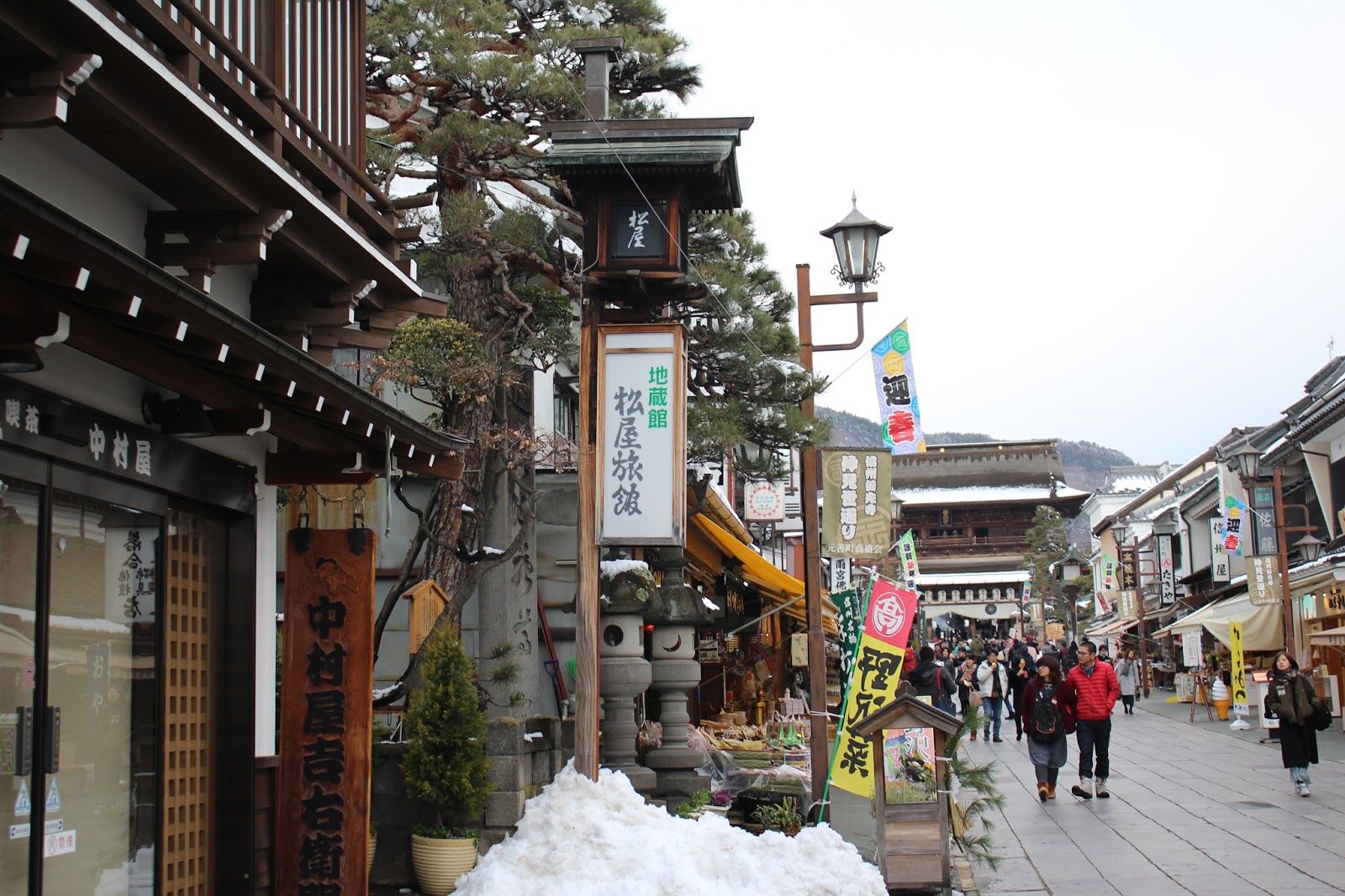
A little while ago I had the chance to visit the 1998 Winter Olympic city Nagano. Having a friend visiting from abroad I wanted to give her a memorable Japan experience that included a night at a traditional ryokan hotel. Our choice of accommodation fell on Jizo Matsuya Ryokan (full blogpost here), which turned out to be the perfect starting point for visiting Zenkoji Temple.

Above: The street sign of accommodation for the night, Matsuya Ryokan (松屋旅館), and the street leading up to the entrance to Zenkouji Temple

Zenkoji Temple (善光寺, Zenkōji) is one of Japan's most important temples and has a history that goes back to the 7th century. Zenkoji temple has also been of great importance for the city of Nagano, as it grew from a temple town that had developed around the Zenkoji Temple.

Tuesday, January 23, 2018

[Hotel Review] Zenkoji Temple's Jizo Matsuya Ryokan (松屋旅館)

10:51:00 PM
One of the most popular things to do for visitors to Japan is to stay a night at a traditional Japanese ryokan hotel. The ryokan hotels hold a long history in Japan that goes back as far as the eighth century, and with all of the ryokans having their own unique style and history it is definitely one of the most extraordinary things you can experience as a foreigner in Japan. When my friend told me she wanted to visit me in Japan the first thing I did was to search for potential destinations not too far from Tokyo where I could show her the special atmosphere you only can find at an old ryokan.
Above: Jizo Matsuya Ryokan seen from the temple street

Our choice landed on Nagano, a city made known worldwide through the 1998 Winter Olympics, and more recently for the famous bathing monkeys of Jigokudani. While Nagano also offers great outdoor activities like skiing (see: Hakuba, Shiga-Kogen, and Nozawa Onsen) or hiking (Kamikochi) our trip this time was focused on getting some relaxing time in a traditional ryokan hotel.
Jizo Matsuya Ryokan immediately attracted my interest with the picture of a large Jizo statue in front of the ryokan’s main entrance. Although ryokan hotels usually have a touch of traditional Japan I found this feature highly unique. After reading a bit about the history of the ryokan I learned that the main hall of the famous Zenkoji Temple (善光寺)  now situated just down the street used to stand at the very spot of Jizo Matsuya Ryokan before it burned down 300 years ago… Needless to say, I was sold.

See also: 

Monday, January 15, 2018

How to sleep in a Capsule Hotel - do-c Ebisu [Hotel Review]

7:57:00 PM

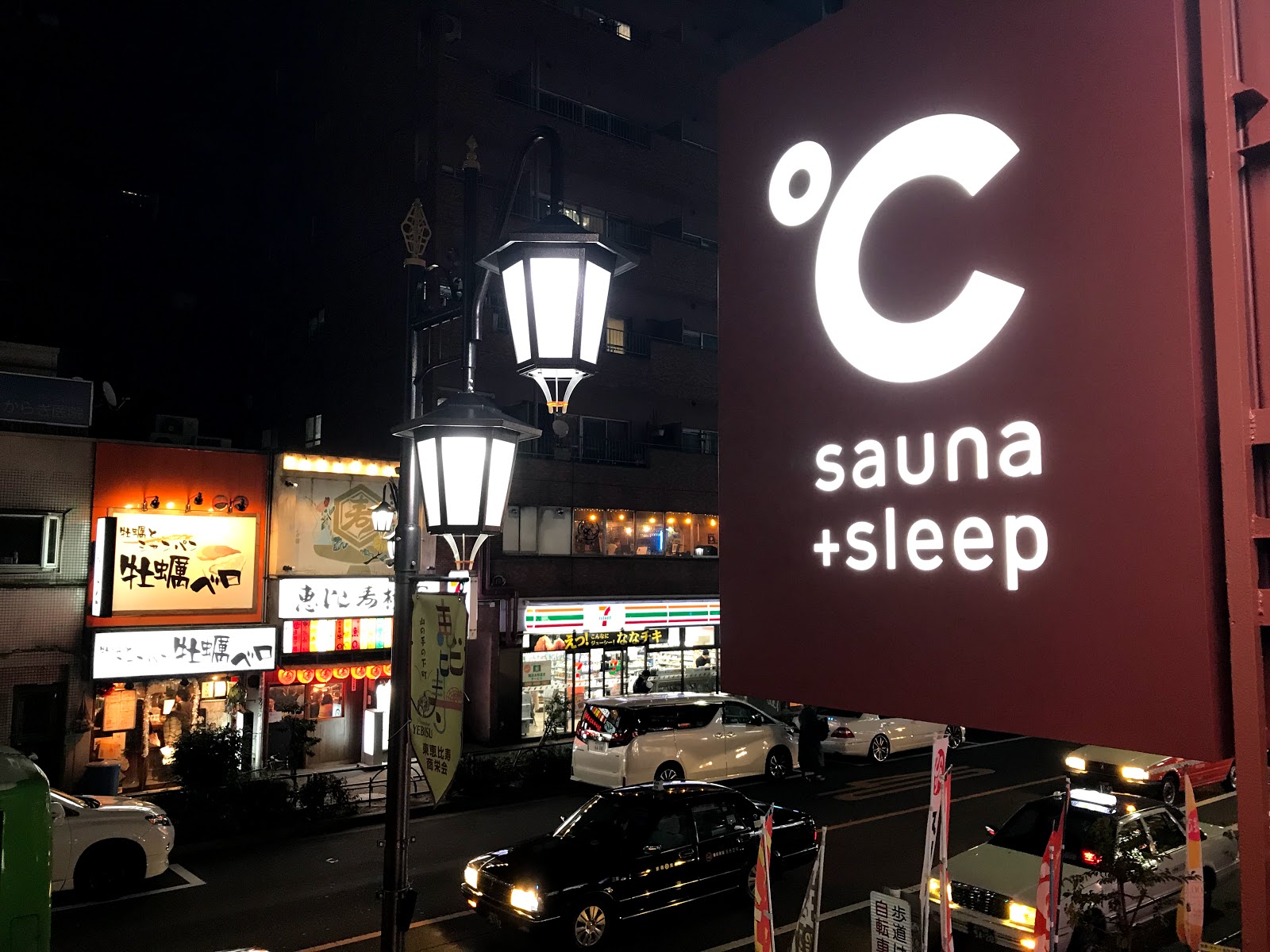
If you’re looking to keep your costs to a minimum while traveling in Japan staying at a capsule hotel can provide a good alternative for you. This might not be the optimal option if you don’t like to share facilities with other guests or if you dislike being in small closed spaces, but if those two conditions are met you’ll likely be able to enjoy staying at do-C Ebisu. I recently spent some nights in the newly opened capsule hotel and summarized the stay below.

See also: 

Tuesday, January 9, 2018

Sightseeing in Kobe: A visit to the Uonotana Fish Market (魚の棚)

11:11:00 PM
Japan is a country that has a lot to offer its visitors, with anything from new and modern to graciously traditional. I never get tired of visiting local areas and seeing their colorful and lively markets where old and new come together like nowhere else. During this year's new year holiday to Kobe (See also: New Year Celebration at a Japanese Temple - Taisan-ji (太山寺)) we stopped by the local Uo no tana (魚の棚) fish market to try out some local delicacies and feel the atmosphere.

Saturday, January 6, 2018

New Year Celebration at a Japanese Temple - Taisan-ji (太山寺)

2:21:00 PM
My seventh year since moving to Japan has just come to an end. Last year I spent the New Years Eve with new year's countdown in the crowded Shibuya crossing, so this year it was time for something quieter. With my friend Camilla visiting from Norway it was a nice opportunity to show her the traditional Japanese new year celebration, and so we decided to spend the holiday with my darling's family in Kobe.
By midnight we went to a nearby temple called Sanshinzan Taisan-ji  (三身山太山寺), or Taisan-ji for short. The main hall of this temple was built in 1293, and this building has been designated a National Treasure of Japan. I've included some pictures from the temple below:
Above: Yuma lighting up an incense stick


Above: Entering the Main Hall

Above: Visitors ringing the bell inside the Main Hall

Above: View from the top of the stairs to the Main Hall

Above: Lucky items sold at the temple
Above: New year with family and friends
The Japanese new year holiday strongly resembles the Western Christmas celebration. This is a festivity where family comes together and enjoy delicious food. The name of the commonly eaten Japanese cuisine is "osechi ryori" (お節料理). Here is a photo from the following morning (January 1st) where we got served osechi ryori breakfast prepared by Yuma's mother:
After a refreshing holiday it is time to start a new year. Although I don't have any new year's resolutions I hope to continue to challenge myself in the upcoming year, and to bring exciting stories for those out there who might be interested in reading more about life in Japan.

Happy new year and thank you for reading! Please feel free to leave any comments or questions below.
- Anette

Related blog posts


■ Basic Info
  • ・Taisan-ji Sanshinzan Taisan-ji  (三身山太山寺)
  • ・Address:Taisanji 〒651-2108 Hyōgo-ken, Kōbe-shi, Nishi-ku, 伊川谷町前開224
  • ・Homepage: http://www.do-main.co.jp/taisanji/ (Japanese only)


About Me

Adventures ofAnette


A modern day shield-maiden who loves to explore the unbeaten paths of the world. From her base in Tokyo, Anette takes on both rural and urban challenges, and goes by the motto "No challenge too big, no adventure too small"!
・Read more →


Recent Posts

recentposts

Random Posts

randomposts